
Start with what the site knows—not with a guessed repair.
A failed emergency fitting can be a local battery or fitting issue, a permanent-supply problem, a circuit fault, a control arrangement or part of a wider system issue. The best first visit begins with evidence about what is affected and how the fault was found.
The facilities team does not need to diagnose the electrical cause. A clear record of symptoms, test history and access will help the engineer choose the right investigation route.
Record the symptom
Identify which fittings or areas fail, whether mains indicators are present and what happens during a test.
Find the records
Provide the logbook, previous test report, drawings, key-switch information and known circuit references.
Arrange access
Confirm ceiling height, stairs, restricted rooms, distribution boards and any high-level equipment required.
Useful information before attendance
Photographs and simple site notes can prevent wasted time without asking untrained staff to open equipment or carry out unsafe tests.
- Locations and quantities of affected fittings
- Whether the issue appeared during a local key-switch or wider test
- Visible charge indicators, damage or recent building work
- Accessible distribution-board and circuit information
- Locked rooms, tenant areas, high ceilings and access-equipment needs
Keep electrical investigation separate from the fire-risk decision
BES can test and report on the agreed emergency-lighting electrical scope. The premises' responsible person uses that information within the wider fire-risk assessment and decides what interim operational measures are required.
What a useful handover should say
The visit record should identify what was tested, what was confirmed, any access limitation, immediate action taken and whether the next step is fitting replacement, circuit repair, further tracing or specialist design review.
Emergency-lighting services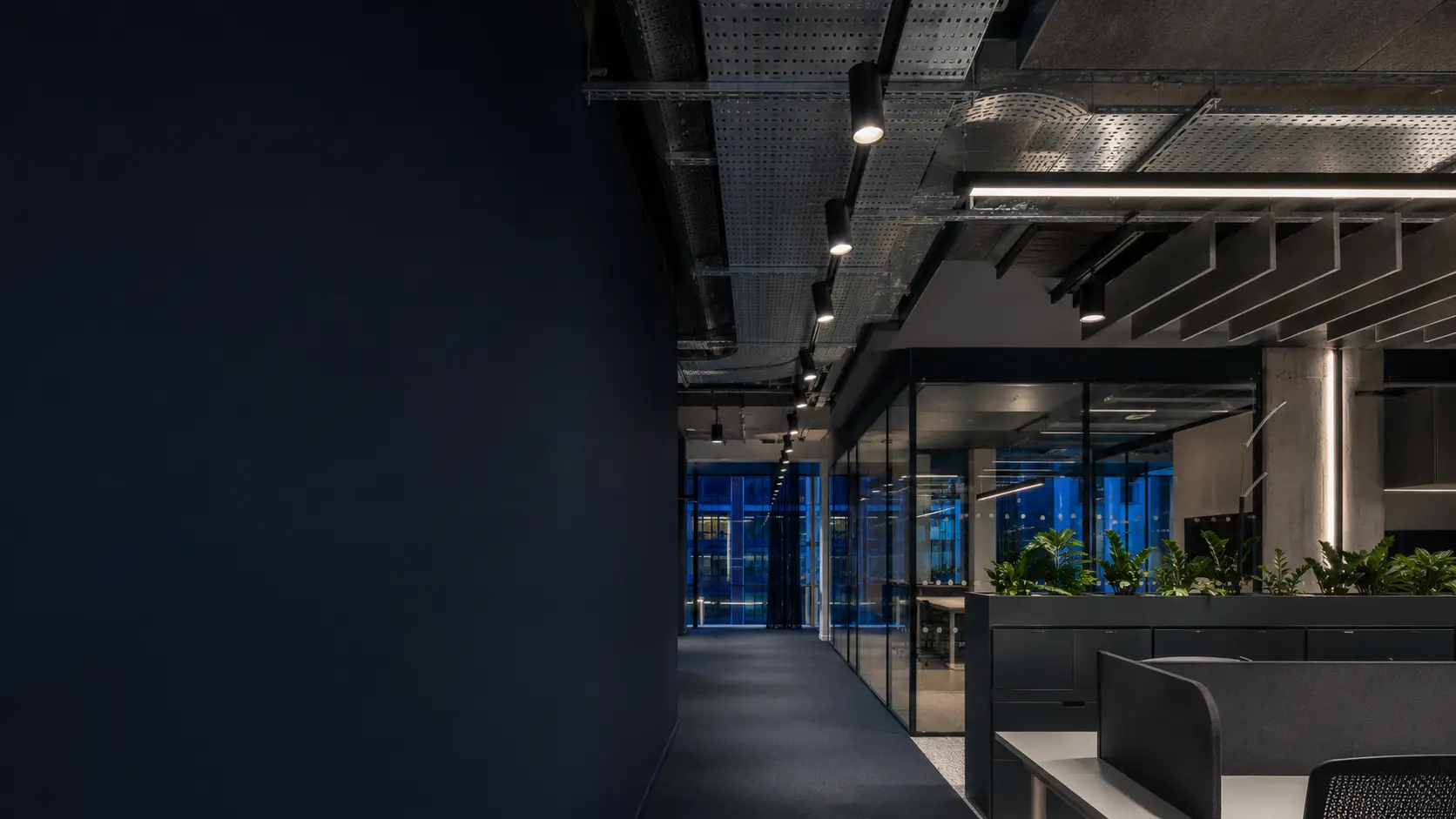 Project illustration
BES delivery
Better evidence helps the engineer reach the cause sooner.
Locations, symptoms, test records and access constraints make the first attendance more focused and commercially useful.
Request a Commercial Site Visit Or get a budget estimateFrequently asked questions
Commercial questions, answered clearly.
Should staff keep operating a test switch when lights do not respond?
No untrained person should repeatedly operate equipment or open electrical accessories to diagnose the fault. Record what happened and arrange competent investigation.
Why is access information important for emergency-lighting work?
Fittings are often above stairs, kitchens, retail floors or restricted rooms. The correct access equipment and safe working arrangement may determine whether the visit can be completed.
Can one failed fitting indicate a circuit problem?
It can, but it may also be a local fitting or battery issue. Testing is required before the cause and scope of repair are stated.